
Postoperative Bilateral Phacoemulsification Outcomes in Dogs Receiving Subconjunctival Triamcinolone with or without Topical Anti-inflammatory Therapy (“dropless” cataract surgery)
Abstract
Purpose
To determine if postoperative topical anti-inflammatory therapy (pTAT) affects phacoemulsification outcomes in dogs receiving subconjunctival triamcinolone (ST).
Methods
Dogs undergoing bilateral phacoemulsification were identified retrospectively. Age, sex, breed, injectable and oral anti-inflammatory therapy, diabetic status, fibrin formation, follow up times, visual outcomes, glaucoma (IOP > 24mmHg) and need for pTAT rescue therapy if flare present postoperatively were compared between groups. Statistics were performed for all comparisons (p=0.05).
Results
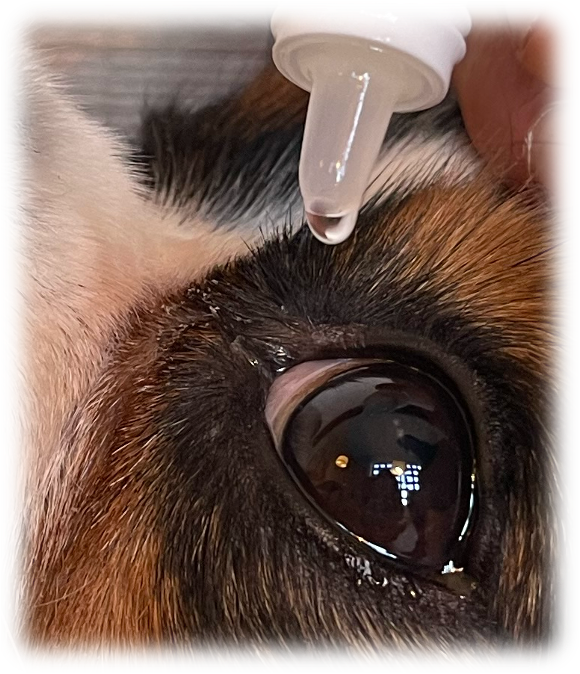
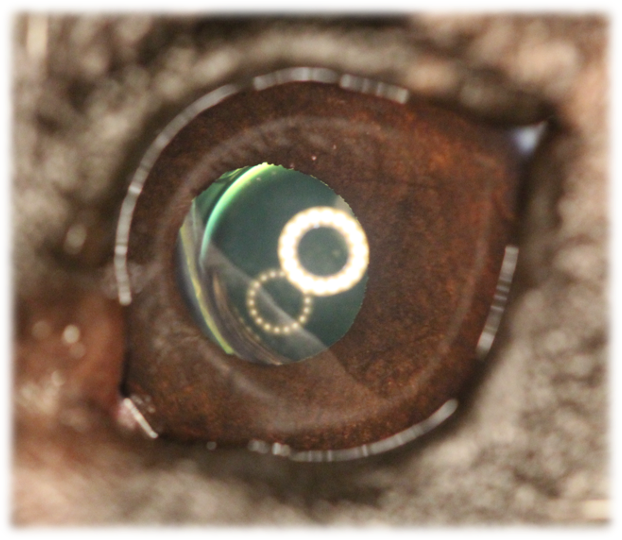
626 eyes were included. 525 eyes received pTAT (diclofenac BID and dexamethasone BID) and 101 eyes did not receive pTAT. All eyes received 4mg ST perioperatively. All dogs received postoperative oral carprofen (diabetics) or prednisone (non-diabetics). There was no difference in age, breed, sex, diabetic status, fibrin formation or follow up times between groups. In all eyes, the odds of glaucoma were 70% higher and the odds of vision were 78% lower with pTAT. In diabetics, the odds of glaucoma were 39% lower and the odds of vision were 70% higher than non-diabetics. In non-diabetic eyes, the odds of glaucoma were 240% higher and the odds of vision were 93% lower with pTAT. 40/101 (40%) of eyes needed rescue pTAT.
Conclusions
In eyes receiving ST, pTAT after phacoemulsification may increase the risk of glaucoma and blindness. ST with oral and injectable anti-inflammatory therapy (dropless cataract surgery) controlled post-phacoemulsification uveitis in 61/101 (60%) of eyes. Because diabetics did not receive oral prednisone, further work is needed to determine if oral prednisone or diabetic status affects the risk of glaucoma and blindness. None.
Images
Keywords: canine, postoperative phacoemulsification outcomes in dogs, subconjunctival triamcinolone in canine cataract surgery, dropless cataract surgery in dogs, cataract surgery outcomes in diabetic dogs, corticosteroid use in canine cataract surgery, vision outcomes after phacoemulsification in dogs, uveitis control after cataract surgery in dogs
1, 2Animal Eye Clinic, Westfield, Indiana, USA
Correspondence:
Rachel L. Davis, DVM, MS, Diplomate, ACVO – Ophthalmologist
Animal Eye Clinic
4750 Killarney Drive
Carmel, IN 46033
Email: info@indyaec.com