
Efficacy of Intravitreal Dexamethasone Injections in Dogs with Ocular Blastomycosis
Abstract
Purpose
To evaluate the efficacy of intravitreal dexamethasone injections as an adjunctive therapy in dogs with ocular blastomycosis.
Methods
Dogs with ocular blastomycosis treated with or without intravitreal dexamethasone injections were identified. Dogs in both groups had similar medications, similar follow up schedule and comparable inflammation.
Results
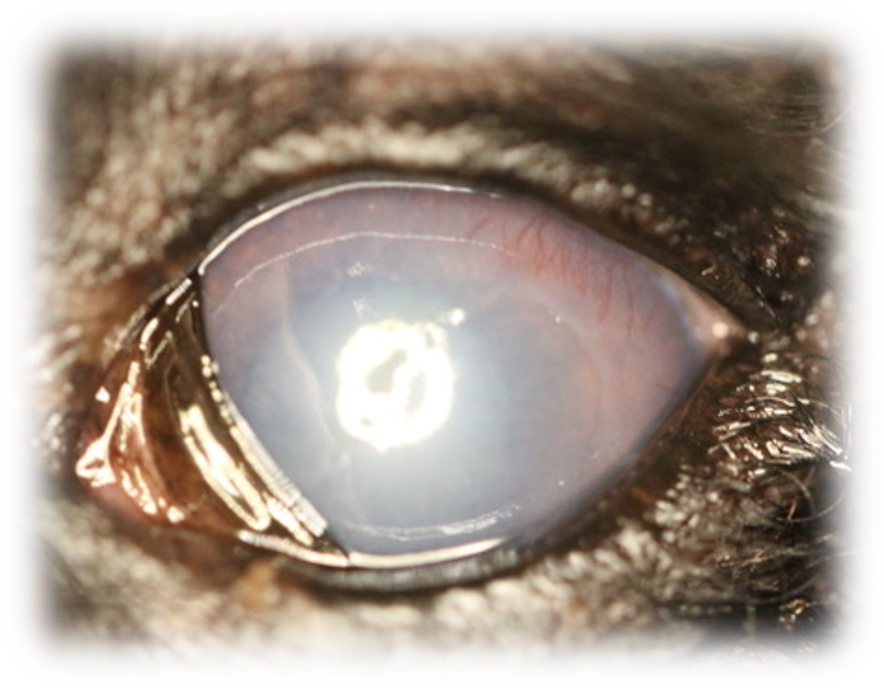
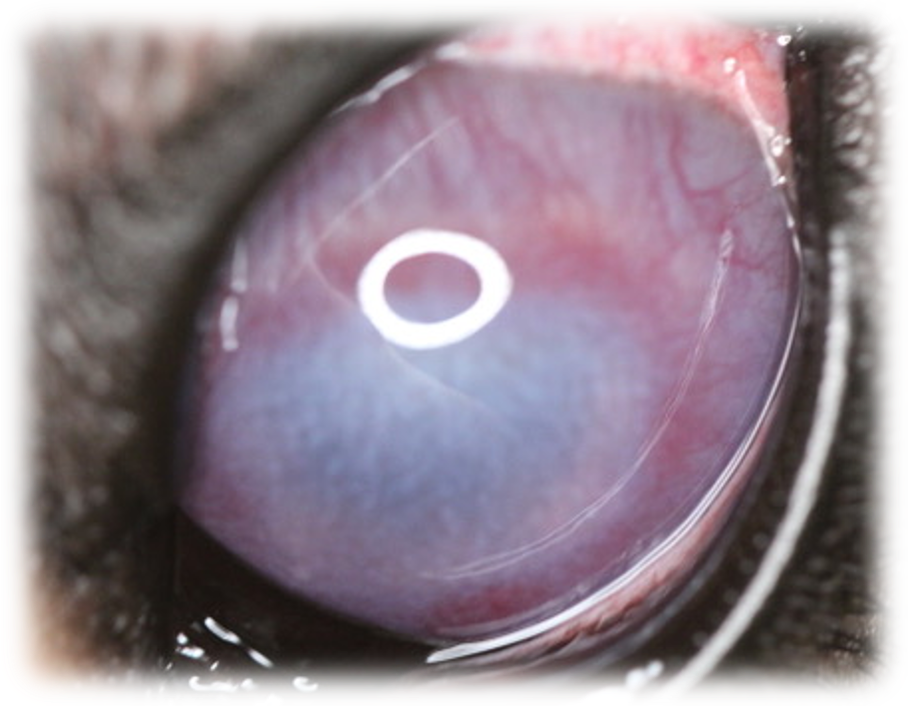
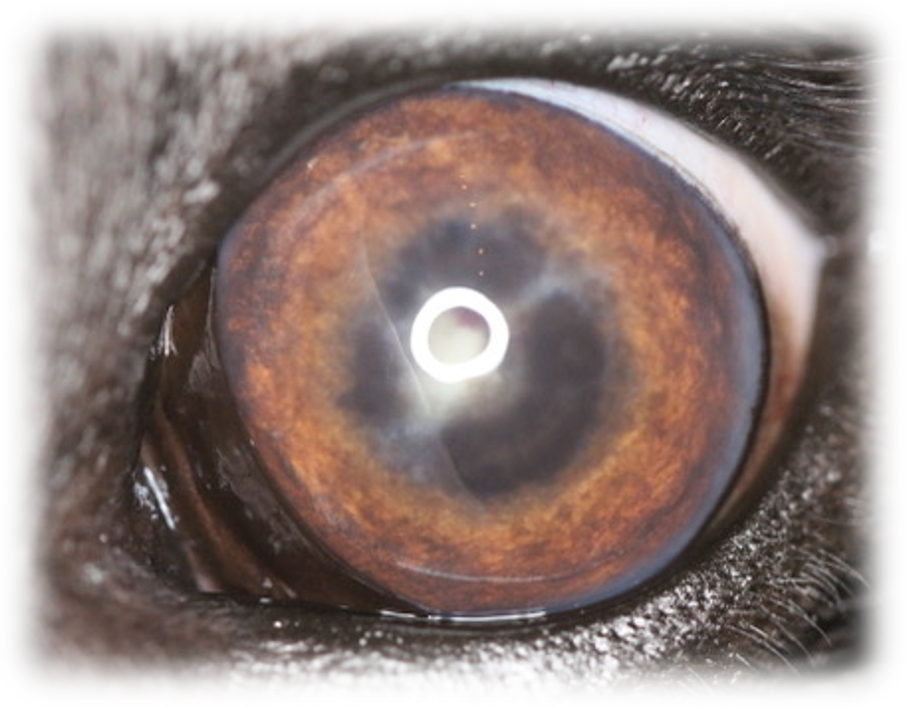
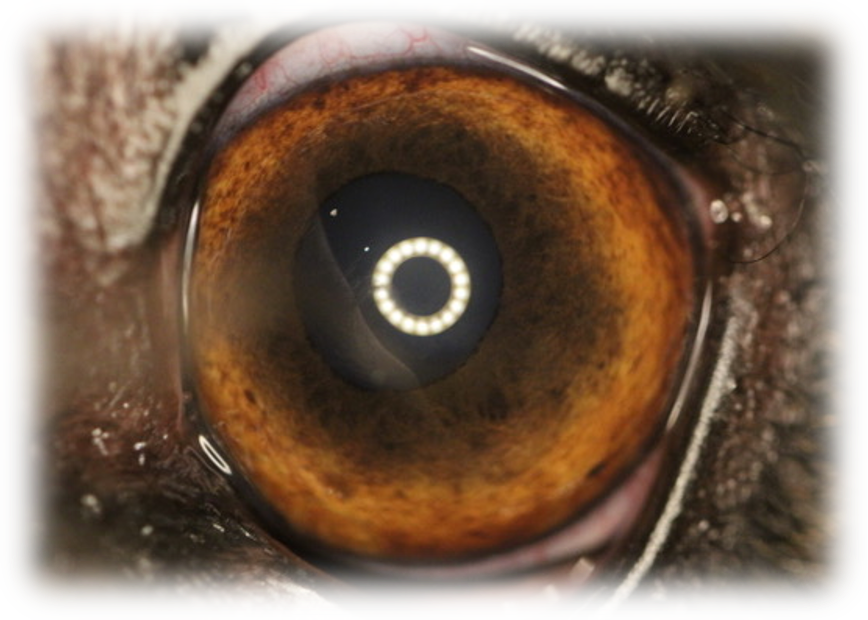
Sixty four eyes (45 dogs) were included in the study. All eyes received topical diclofenac TID and dexamethasone TID with oral prednisone (0.5-1mg/kg SID) and fluconazole (5mg/kg BID). Dorzolamide/timolol TID was added if indicated. Thirty-four eyes (24 dogs) were treated without intravitreal dexamethasone and thirty eyes (21 dogs) were treated with intravitreal dexamethasone. Dogs received 1-4 injections (mean 1.5 injections) with 0.1mL of dexamethasone SP. In dogs treated without dexamethasone, 3 eyes remained visual, no eyes lost vision, 3 eyes regained vision and 28 eyes remained blind. In dogs treated with dexamethasone, 1 eye remained visual, 2 eyes lost vision, 3 eyes regained vision and 24 eyes remained blind. Return of vision was not significantly different between the groups. Enucleation was necessary in 24/34 (71%) of eyes not treated with dexamethasone and in 3/30 (10%) of eyes treated with dexamethasone. The need for enucleation was significantly decreased in dogs receiving dexamethasone injections. Mean follow up time for both groups was 2.5 months.
Conclusions
Intravitreal dexamethasone injections in dogs with ocular blastomycosis is a simple procedure that significantly reduced the need for enucleation of eyes affected with ocular blastomycosis. This procedure may help prevent loss of eyes in dogs affected with ocular blastomycosis. None.
Images
Keywords: canine, intravitreal dexamethasone injections in dogs, ocular blastomycosis treatment in dogs, canine ocular blastomycosis therapy, veterinary ophthalmology intravitreal injections, enucleation prevention in dogs with blastomycosis
1, 2Animal Eye Clinic, Westfield, Indiana, USA
Correspondence:
Rachel L. Davis, DVM, MS, Diplomate, ACVO – Ophthalmologist
Animal Eye Clinic
4750 Killarney Drive
Carmel, IN 46033
Email: info@indyaec.com