
Post‐operative Outcomes of Phacoemulsification in Juvenile Dogs
Rachel L. Davis1 | KA Kovalsky2 | WL Weinstein2 | PA Moore3
Abstract
Purpose
To evaluate the post‐operative outcomes of phacoemulsification in juvenile dogs.
Methods
Medical records from two private practices were reviewed (2013–2020). Dogs less than 24 months old undergoing phacoemulsification were identified. Postoperative vision, concurrent ocular conditions, and surgical factors were evaluated. Statistical analysis of planned posterior capsulorrhexis (PPC) with odds of posterior capsular opacification (PCO), pearl formation, or a positive vision outcome was performed. Associations of persistent hyperplastic primary vitreous (PHPV) with age and positive visual outcome as well as lens placement with PCO, pearl formation, or a positive visual outcome were also evaluated.
Results
Phacoemulsification was performed in 46 eyes (31 dogs, 15 breeds) with a 17‐month average follow‐up time (range 2–48 months) and 14‐month average age (range 6–24 months). Forty‐one eyes (89%) were visual during the follow‐up period, and all five non‐visual eyes lost vision to glaucoma (range 4–48 months post‐operatively). PPC was performed in 24 eyes (52%) and did not affect odds of PCO, pearl formation, or visual outcome. Pearl formation was noted in 10/46 eyes (22%). PHPV was present in 5 eyes (11%) and did not affect visual outcome. A lens was placed in 39 eyes (85%) and did not affect PCO, pearl formation, or visual outcome. Visual outcome was not affected by follow‐up time or breed.
Conclusions
Phacoemulsification in young dogs has a high overall success rate (89%). Young dogs may be at higher risk of glaucoma post‐operatively. PPC and lens placement do not appear to affect outcome. None.
Images
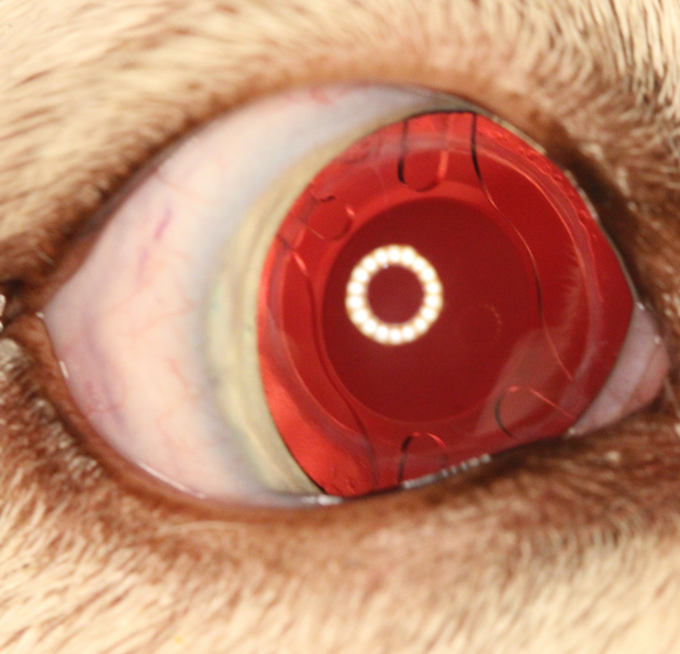
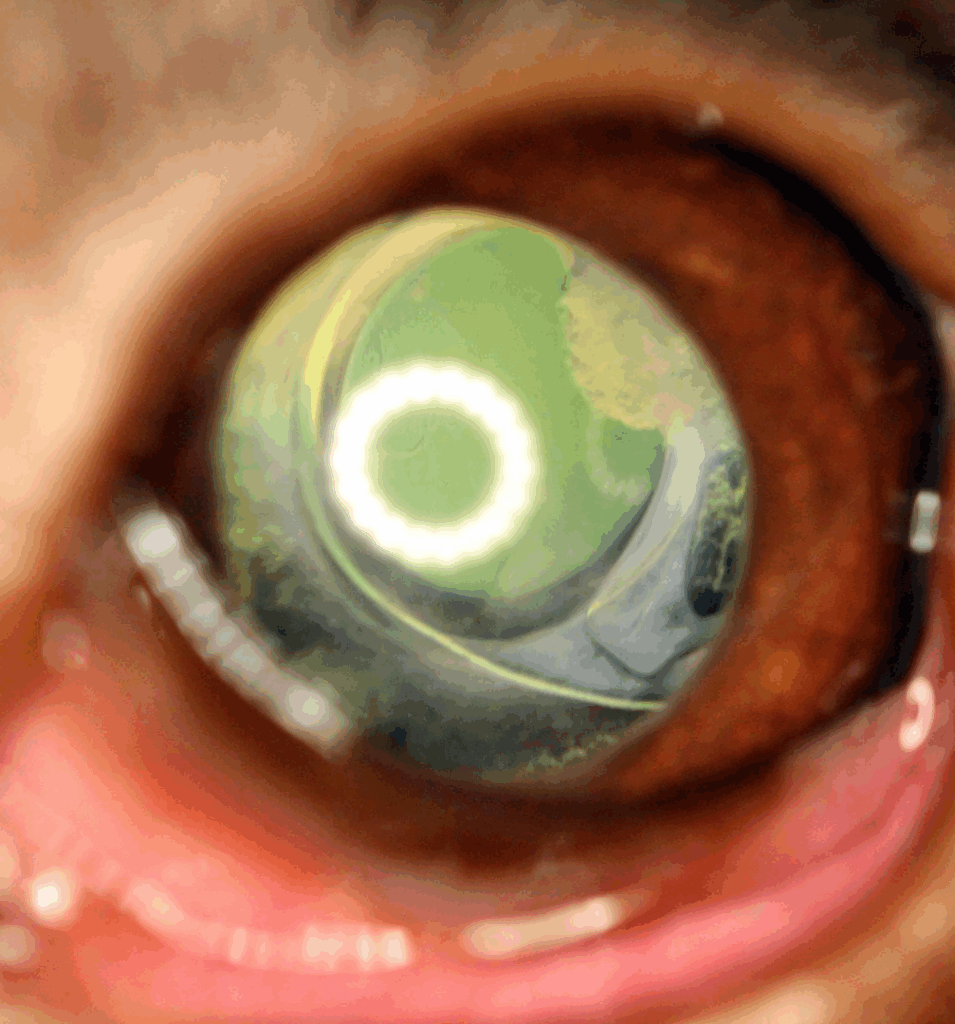
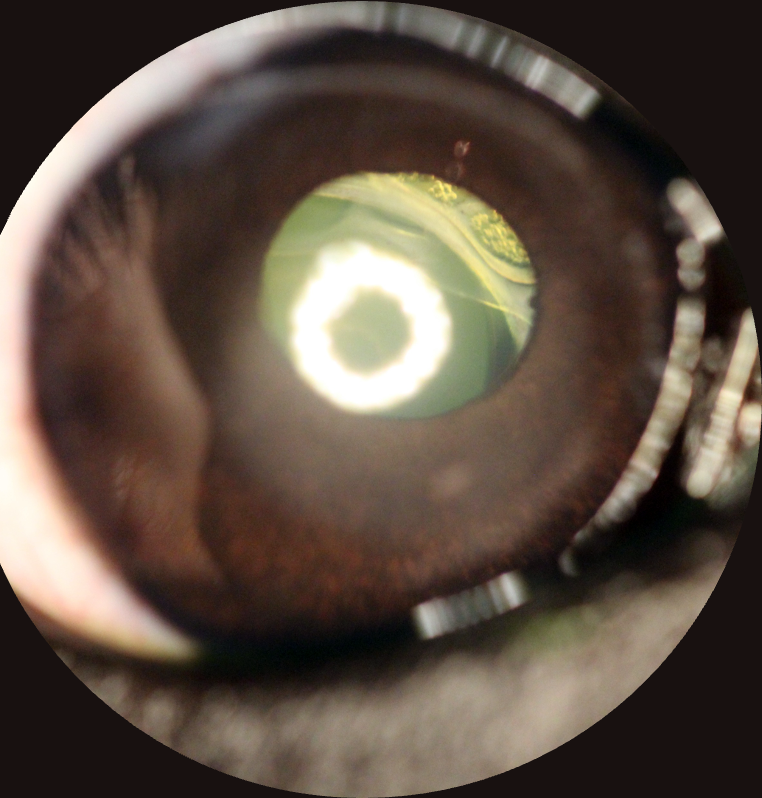
Keywords: canine, phacoemulsification juvenile dogs, cataract surgery young dogs, canine phacoemulsification outcomes, juvenile dog cataract treatment, dog cataract surgery success rate, veterinary ophthalmology phacoemulsification, persistent hyperplastic primary vitreous dogs, posterior capsular opacification dogs, lens placement cataract surgery dogs, glaucoma risk after phacoemulsification dogs
1Animal Eye Clinic, Westfield, Indiana, USA
2 Las Vegas Veterinary Specialty Center, USA
3 Auburn University, School of Veterinary Medicine, USA
Correspondence:
Rachel L. Davis, DVM, MS, Diplomate, ACVO – Ophthalmologist
Animal Eye Clinic
4750 Killarney Drive
Carmel, IN 46033
Email: info@indyaec.com